In regions that are prone to earthquakes, such as California, Japan, and New Zealand, the threat of seismic activity is a constant concern. These powerful and destructive natural disasters can cause widespread damage to infrastructure, buildings, and homes, putting the lives of residents at risk. One critical component of earthquake preparedness and safety measures is the use of seismic braces, also known as seismic restraints or seismic struts. These braces are designed to reinforce buildings and structures, helping them withstand the intense shaking and stress of an earthquake.
seismic braces are essential for reducing the risk of collapse and minimizing damage during seismic events. They work by providing additional support and stability to structures, helping to distribute the forces generated by an earthquake throughout the building. This can help prevent structural failures, such as buckling walls or collapsing roofs, which can pose a significant danger to occupants.
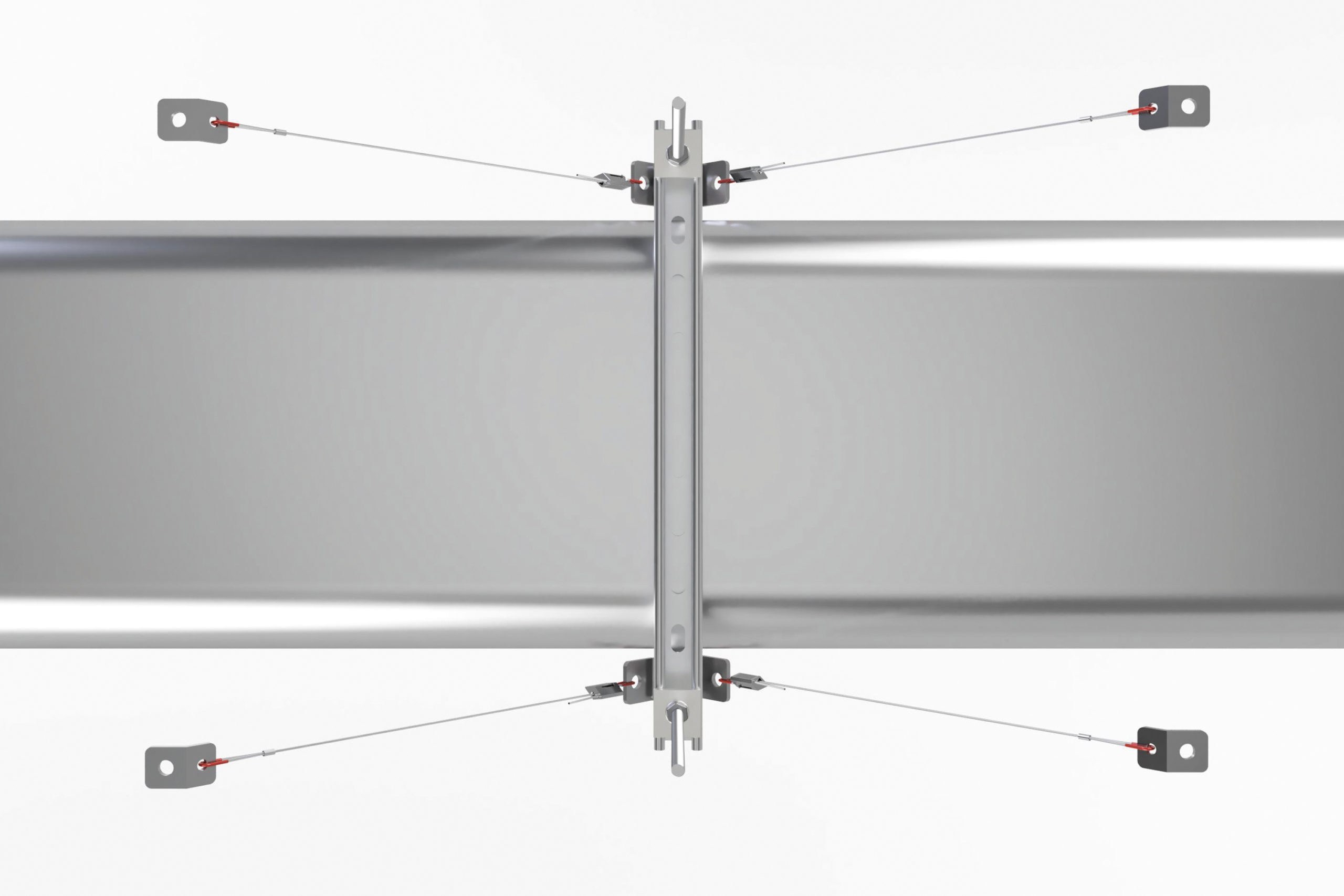
One of the key benefits of seismic braces is that they can be retrofitted to existing buildings, making them a cost-effective way to improve the seismic resilience of older structures. By adding braces to a building’s frame, engineers can increase its ability to withstand seismic forces and reduce the likelihood of catastrophic damage. This is particularly important in regions with a high risk of earthquakes, where even minor structural failures can have devastating consequences.
In new construction, seismic braces are often incorporated into the design of the building from the beginning. Engineers and architects work together to create a structural system that includes the necessary bracing elements to meet building codes and ensure the safety of occupants. By integrating seismic braces into the design process, builders can reduce the risk of damage and ensure that the structure can withstand the forces of an earthquake.
There are several types of seismic braces that are commonly used in construction, each with its own unique benefits and applications. One common type is the X-brace, which consists of diagonal steel members that are connected to the building frame. These braces help to transfer lateral forces and provide additional stability to the structure. Another popular option is the eccentric brace, which uses a combination of steel plates and bolts to resist seismic forces and prevent deformation.
In addition to steel braces, there are also other materials that can be used for seismic reinforcement, such as carbon fiber, fiberglass, and reinforced concrete. These materials offer different advantages in terms of strength, flexibility, and corrosion resistance, allowing engineers to choose the best solution for each specific project.
The installation of seismic braces requires careful planning and execution to ensure that they are effective in protecting the building during an earthquake. Engineers must consider factors such as building height, occupancy, and location when designing a bracing system, as these can impact the performance of the braces. Proper installation is essential to ensure that the braces are capable of withstanding the forces of an earthquake and providing the necessary support to the structure.
In earthquake-prone regions, building codes often require the use of seismic braces to improve the overall safety of structures. These codes are designed to establish minimum standards for seismic design and construction, helping to reduce the risk of damage and protect the lives of occupants. By following these codes and incorporating seismic braces into building projects, engineers can help to create safer and more resilient structures that can withstand the forces of nature.
In conclusion, seismic braces play a crucial role in protecting buildings and structures from the destructive forces of earthquakes. By reinforcing buildings with these braces, engineers can improve their ability to withstand seismic events and reduce the risk of damage and collapse. Whether retrofitting existing structures or designing new buildings, the use of seismic braces is an essential part of earthquake preparedness and safety measures. By investing in seismic reinforcement, we can help to create safer communities and minimize the impact of earthquakes on our built environment.